Author: houstonplumbing

  • How To Repair a Leaky Pipe

    How To Repair a Leaky Pipe

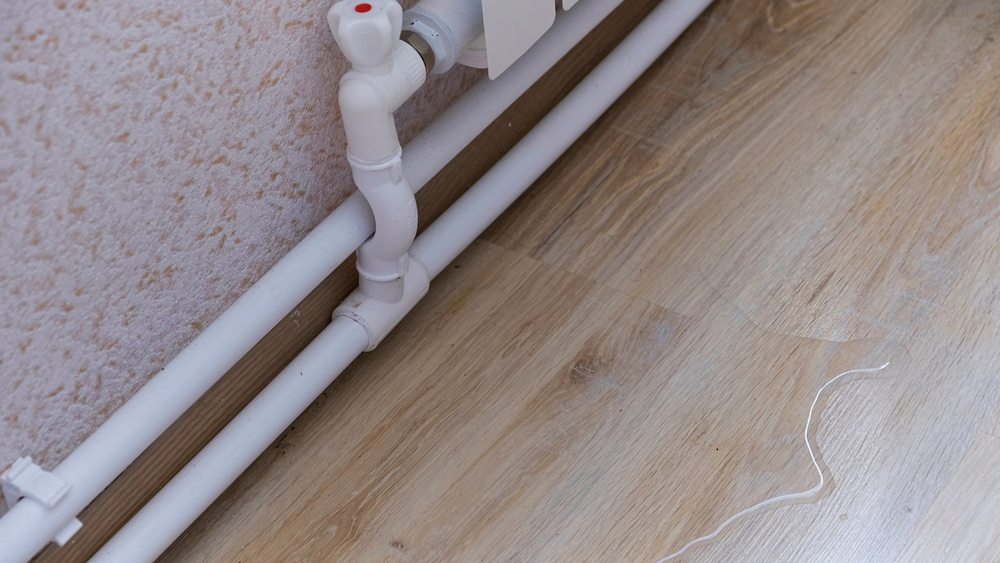
    There is going to be one time in your life that you will need to either call a plumber to fix that leaky pipe or repair the leaking plumbing pipe yourself but before you do there is some information you should know before you attempt that plumbing repair.

    Depending on what type of pipe is leaking will depend on what types of tools and fittings you will need to do the plumbing repair. Another thing to consider is the place that the pipe is in, the harder it is to reach or access the harder it will be to repair the pipe.

    Most common types of plumbing found in households are pvc, steel, cast iron, and copper. Usually copper pipe and pvc pipe can be repaired by the home owner of the leak is small enough, and most hardware stores or home improvement stores will have what you need to get the job done.

    If the pipe that is leaking id steel, lead ( Lead bend ) or cast iron you will want to call your local plumber because there types of repairs will require expensive plumbing tools and expert professional knowledge to do the job properly.

  • Plumbing Basics Installing a Bathtub

    Plumbing Basics Installing a Bathtub

    Installing a bathtub isn’t exactly rocket science, but it does require solid plumbing, carpentry, and sometimes, tiling skills. Replacing an old bathtub with a new one is also a moderately difficult project. If the old tub is readily accessible, the project can move speedily; if you have to open a wall to remove the old tub and position the new bathtub, the task is much harder. In either case, the project is within a home handyman’s skills, although you will need a helper to move out the old tub and set in the new one. Make sure you have qualified yourself for the job and are comfortable attempting it. Rather than hiring a contractor to take over a halfway-completed project, it is better to consider employing one before you begin. Chances are you may need a professional plumber to make tube connections.

    This article will help you install a new bathtub in your bathroom if you have already bought a new tub and dont need to change the arrangement of your previous water supply pipes.

    Your tools and material checklist should comprise the following:

    New Bathtub
    Hammer
    Pipe Wrenches
    Prybar
    Safety Glasses
    Level
    Pliers
    Adjustable Wrench
    Putty Knife
    Screwdriver
    Cold Chisel
    Tape Measure
    Pipe Caps

    Preparing for the Installation

    Firstly, the supporting frame supplied with the bath should be fitted (if required) according to the manufacturers instructions.

    Next, fit the taps or mixer to the bathtub. When fitting the tap block, it is important to make sure that if the tap comes with a plastic washer, it is fitted between the bath and the taps. On a plastic bath, it is also sensible to fit a supporting plate under the taps unit to prevent strain on the bathtub.

    Fit the flexible tap connectors to the bottom of the two taps using 2 nuts and olives (sometimes supplied with the tub).

    Fit the plug-hole outlet by smearing mastic filler round the sink outlet hole, and then pass the outlet through the hole in the bath. Use the nut supplied by the manufacturer to fit the plug-hole. Examine the plug-hole outlet for an inlet on the side for the overflow pipe.

    Next, fit the end of the flexible overflow pipe to the overflow outlet. After that, screw the pipe to the overflow face which should be fitted inside the bath. Make sure you use all of the supplied washers.

    Connect the trap to the bottom of the waste outlet on the bathtub by winding the thread of the waste outlet with silicone mastic or PTFE tape, and screw on the trap to the outlet. Connect the bottom of the overflow tube in a similar manner.

    The bath should now be ready to be fitted in its final position.

    Removing Old Taps
    If you need to replace old taps with new ones as a part of your installation, then the first thing you should do is disconnect the water supply. After doing so, turn on the taps to drain any water remaining in the system. The process of removing the existing taps can be quite problematic due to the restricted access that is often the case.

    Use a basin wrench (crowsfoot spanner) or a tap tool to undo the nut that connects the supply pipes to the taps. Have a cloth ready for the remaining water that will come from the pipes. Once the supply pipes have been removed, use the same tool to loosen the nut that holds the taps onto the bath/basin. You will need to stop the single taps from turning during this process. Once the taps have been removed, the holes in the bath/basin will have to be cleaned of any old sealing compound.

    Before moving on to fit the new taps, compare the pipe connections on the old taps to the new taps. If the old taps are longer than the new taps, then a shank adapter is required for the new taps to fit.

    Installing the Bathtub

    Using the two wooden boards under its feet, place the bathtub in the required position. The wooden boards are helpful in evenly spreading the weight of the bathtub over the area of the boards instead of focusing all the weight onto four small points.

    The next goal is to ensure that the bathtub is leveled all round. This can be achieved by checking the spirit level and adjusting the feet on the bathtub until the spirit level reads level.

    To install taps, fit the bottom of the furthest flexible tap connector to the appropriate supply pipe by making a compression join; then do the same for the other tap.

    Switch on the water supply and check all joints and new pipework for leaks and tighten them if necessary. Fill the bathtub and also check the overflow outlet and the normal outlet for leaks.

    Finally, fix the bath paneling as described in the manufacturers instruction manual.

    Tiling and sealing around the bathtub should wait until the bathtub has been used at least once as this will settle it into its final position.

    Fitting New Taps
    If the tails of the new taps are plastic, then you will need a plastic connector to prevent damage to the thread. One end of the connector fits on the plastic tail of the tap and the other end provides a connection to the existent supply pipes.

    If you need to fit a monobloc, then you will require reducing couplers, which connects the 10mm pipe of the monobloc to the standard 15mm supply pipe.

    Next, position the tap in the mounting hole in the bath/basin ensuring that the washers are in place between the tap and the sink. Secure the tap in place with the manufacturer provided backnut. Once the tap is securely in place, the supply pipes can be connected to the tails of the taps. The taps can either be connected by using corrugated copper piping or with normal tap connectors. The former type should be connected to the tap ends first, tightening only by hand. The supply pipes can later be connected to the other end. Tighten both ends with a spanner after both ends have been connected.

    Tiling Around the Bathtub
    In the area where the bath meets the tile, it is necessary to seal the joins with a silicone rubber caulking. This is important as the fitting can move enough to crack a rigid seal, causing the water to penetrate the wall between the bath and the tiling, leading to complications with dampness and possible leaks to the ceiling below.

    You can choose from a variety of coloured sealants to blend in your fixtures and fittings. They are sold in tubes and cartridges, and are capable of sealing gaps up to a width of 3mm (1/8 inch). If you have a larger gap to fill, you can fill it with twists of soaked newspaper or soft rope. Remember to always fill the bathtub with water before sealing, to allow for the movement experienced when the tub is in use. The sealant can crack fairly early if you do not take into account this movement before sealing.

    Alternatively, ceramic coving or quadrant tiles can be used to edge the bath or shower tray. Plastic strips of coving, which are easy to use and cut to size, are also easily available on the market. It is advisable to fit the tiles using water-resistant or waterproof adhesive and grout.

  • How to Choose Bathroom Plumbing Fixtures for Your Home

    How to Choose Bathroom Plumbing Fixtures for Your Home


    Whether building a new home or remodeling, you’ll find there are many plumbing fixtures and accessories available. The choices can seem overwhelming, and you’ll want to make sure the items you choose are both durable and decorative. Using the guide below, choose bathroom plumbing fixtures that will fit well with your decor plans while providing adequate use for the long term.

    Fixtures for the bathroom should be practical and durable. They should be tough enough to withstand years of usage without wearing easily, rusting, or molding. Consider your entire dcor including the colors of your floors and walls and the style used on other items in the room.

    Choosing a Bathtub

    When choosing a bathtub, there are four basic bathtub styles. The old-type enamel cast-iron bathtub with the China-glazing finish is popular with new constructions. It is extremely heavy and offers quietness while being filled with water. This tub usually comes as a basic five-foot tub with few styles to choose from. The average price is about $250.

    Next, there’s the molded plastic bathtub, which resembles the cast-iron tubs but is usually thicker. This tub is more lightweight and great for remodeling – especially when tile is already on the floor. This type of bathtub can come in several styles and colors, including a full shower/tub combination with built-in walls. It ranges in price from $250 upward.

    The enameled steel tub comes in white or a variety of colors and is finished with a ceramic-glazed material. This tub is priced at around $250. Next is the fiberglass tub, which can be installed on a platform or in the floor. It comes in different shapes and sizes. Some have spa features as well. This type of tub is high-priced, some even costing in the thousands of dollars.

    Shower stalls come in several styles such as a pre-built shower base, fabricated shower stall, and the fiberglass enclosed shower stall. Pricing varies according to size, style, and brand name.

    Choosing a Toilet

    The toilet should be comfortable and practical. It doesn’t have to be fancy, but sometimes paying more means getting better quality. There are now toilets with higher gallons/flush capabilities – up to the government’s standard of 1.6 gallons per flush. If you want to save on your water bill, opt for an efficiency toilet that flushes 1.3 gallons per flush. There are also dual-flush toilets that offer two flush buttons – one for liquid waste removal and one for solid waste removal. The liquid waste button, of course, uses less water per flush.

    Bathroom Sink Options

    The bathroom sink is important and has many uses – from brushing your teeth to shaving to facial cleansings each night! A popular bathroom sink is the V-shaped vessel sink bowl, which is made of glass, copper or stainless steel. There are also bathroom vanities with the sink already built-in for easy installation. Types of sinks include pedestal sinks, which provide no storage underneath, under-counter sinks, and above-counter sinks.

    Faucets and Other Bathroom Items

    Choose durable faucets made of materials that are rust-free and provide an even flow of water. With small children, you’ll want to be sure the faucets have temperature settings built in to prevent scalding. For decor purposes, choose matching faucets for the bathtub and sink. Also, be sure the faucet will last for many years without dripping. Faucets come in many shapes and styles – some are plain and some are fancy. They are priced from $40. Some popular finishes for faucets include brass, brushed nickel, oiled bronze, and the popular chrome plate.

    Accessorize your bathroom with other fixtures and accessories to complete your decor. You can go online to find great products in almost any style you need. Also, you can find other home accessories online such as ironing centers, door hardware, cabinet hardware, towel warmers, and more.

    Choose your bathroom plumbing fixtures wisely for a pleasant and long-lasting bathroom.